Pass Appian Certifications Exam in First Attempt Easily
Latest Appian Certification Exam Dumps & Practice Test Questions
Accurate & Verified Answers As Experienced in the Actual Test!
Complete list of Appian certification exam practice test questions is available on our website. You can visit our FAQ section or see the full list of Appian certification practice test questions and answers.
Appian Certification Practice Test Questions, Appian Exam Practice Test Questions
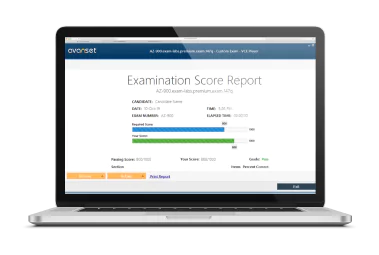
With Exam-Labs complete premium bundle you get Appian Certification Exam Practice Test Questions in VCE Format, Study Guide, Training Course and Appian Certification Practice Test Questions and Answers. If you are looking to pass your exams quickly and hassle free, you have come to the right place. Appian Exam Practice Test Questions in VCE File format are designed to help the candidates to pass the exam by using 100% Latest & Updated Appian Certification Practice Test Questions and Answers as they would in the real exam.
The Appian Certification Path: Career Growth, Enterprise Impact, and Strategic Value
Appian is one of the leading low-code automation platforms in the world, enabling enterprises to design, automate, and optimize business processes efficiently. The platform is renowned for combining process mining, workflow automation, AI integration, data management, and RPA (Robotic Process Automation) into a unified environment. As organizations increasingly adopt low-code platforms to accelerate digital transformation, Appian certifications have become valuable credentials for professionals aiming to validate their expertise and enhance career opportunities. The Appian certification path is designed to recognize individuals who demonstrate technical proficiency and mastery in using the Appian platform to design, implement, and manage enterprise-grade solutions.
The Appian certification program provides a structured learning and validation system for developers, architects, analysts, and administrators who want to prove their competence in building, maintaining, and scaling applications on Appian. These certifications also help organizations identify skilled professionals who can efficiently handle automation initiatives and deliver strategic value using Appian’s robust ecosystem.
The certification program consists of multiple levels that cater to different professional roles and expertise. It includes credentials such as Appian Certified Associate Developer, Appian Certified Senior Developer, Appian Certified Lead Developer, Appian Certified Solution Architect, and Appian Certified Analyst. Each of these certifications validates distinct competencies, from foundational understanding of Appian design principles to advanced architectural design, governance, and implementation strategies.
To ensure professionals acquire the right blend of theoretical knowledge and practical experience, Appian provides various learning resources such as Appian Academy, Appian Community, self-paced courses, instructor-led training, and practical exercises that simulate real-world project challenges. By earning an Appian certification, professionals demonstrate not only their technical skill but also their ability to translate business needs into efficient and scalable solutions.
Understanding the Appian Platform
Appian’s low-code platform is centered on simplifying complex application development. Its intuitive interface and drag-and-drop tools allow developers and business users to collaborate seamlessly. The platform integrates multiple capabilities such as process automation, data unification, decision management, and artificial intelligence, creating a single environment for end-to-end digital transformation.
One of Appian’s key strengths lies in its focus on automation and orchestration. It allows users to automate manual processes, connect with multiple systems, and ensure consistent data flow across applications. Appian’s robust process modeling tools enable developers to visually design workflows that capture complex business logic with minimal coding. The resulting applications are scalable, secure, and adaptable to changing business requirements.
Appian’s data fabric feature centralizes data from various sources without requiring data replication. This eliminates the complexity of managing multiple databases and ensures that applications always work with real-time information. Appian also includes native AI tools that enhance decision-making by providing insights, predictive analytics, and automation recommendations.
The platform’s modular design makes it suitable for multiple industries such as finance, healthcare, manufacturing, government, and telecommunications. Whether it is automating loan approvals, optimizing supply chains, or managing citizen services, Appian applications enhance efficiency, reduce costs, and improve user experience.
Professionals seeking certification must develop a deep understanding of how Appian integrates business process management, data, and automation technologies. Certification exams are designed to evaluate not only technical proficiency but also the ability to apply Appian’s features to solve complex business problems effectively.
Importance of Appian Certifications
In today’s technology-driven world, businesses are rapidly adopting low-code platforms to keep up with market demands and digital transformation goals. Appian certification plays a crucial role in establishing a professional’s credibility in this competitive landscape. It validates an individual’s expertise in using Appian’s tools and features to deliver real-world business value.
For professionals, Appian certifications open doors to career advancement. Certified individuals are highly sought after by employers who need skilled resources to develop and manage automation solutions. Appian-certified developers and architects often command higher salaries and enjoy increased recognition within their organizations.
For organizations, employing certified professionals ensures that projects are executed efficiently, following Appian's best practices and methodologies. Certified teams can deliver higher-quality applications faster, reduce maintenance efforts, and optimize performance. Appian’s certification standards align closely with industry needs, making them highly relevant to modern enterprises.
Furthermore, Appian certifications promote a culture of continuous learning. As the platform evolves with new features, certified professionals are encouraged to stay updated, renew their credentials, and adopt the latest tools and techniques. This commitment to learning ensures that Appian practitioners remain at the forefront of low-code innovation.
Structure of the Appian Certification Path
The Appian certification path is structured into several levels, each representing increasing degrees of mastery. It begins with foundational certifications for new developers and progresses to advanced credentials for experienced professionals who design and oversee large-scale Appian implementations.
The journey typically starts with the Appian Certified Associate Developer credential, which validates the foundational knowledge needed to build simple applications and workflows. This is followed by the Appian Certified Senior Developer, a credential focused on more complex application development, integration, and optimization.
After achieving mastery at the development level, professionals can aim for the Appian Certified Lead Developer, which demonstrates leadership in technical design, team collaboration, and advanced solution implementation. Beyond development, Appian offers the Appian Certified Solution Architect certification for professionals responsible for designing end-to-end enterprise-grade Appian solutions and managing governance frameworks.
In addition, there is the Appian Certified Analyst, tailored for professionals who focus on business analysis, process modeling, and requirement gathering. Analysts play a crucial role in bridging business objectives with technical implementation.
Each certification has its prerequisites, exam structure, and renewal requirements. The pathway ensures a logical progression from foundational knowledge to expert-level competency.
Appian Certified Associate Developer
The Appian Certified Associate Developer is the entry-level certification and serves as the foundation for all higher-level Appian credentials. It validates an individual’s basic understanding of Appian’s interface, design components, and application development methodology.
To qualify for this certification, candidates are expected to complete introductory Appian training courses, which can be accessed through the Appian Academy. These courses cover topics such as Appian architecture, application design basics, interface design, data management, and process modeling. Candidates also learn about Appian’s security features, expression rules, and record types.
The exam for the Associate Developer certification typically assesses knowledge in key areas, including designing interfaces using SAIL (Self-Assembling Interface Layer), implementing process models, configuring records and reports, and understanding deployment procedures. The questions are designed to test both conceptual knowledge and practical application.
This certification is ideal for individuals who are new to Appian or to low-code development in general. It provides the fundamental skills required to participate effectively in Appian projects as a junior developer or team member. By completing this level, professionals gain confidence in using the Appian platform to build basic solutions that meet business needs.
Appian Academy and Learning Resources
Appian Academy serves as the official learning platform for professionals pursuing certification. It offers a wide variety of resources, including self-paced courses, live training sessions, workshops, and hands-on labs. These learning paths are designed to align directly with the skills tested in certification exams.
The Academy’s structure allows learners to progress at their own pace, combining theory with practical exercises that simulate real-world project environments. Learners can choose from beginner to advanced courses based on their current skill level and career goals. Topics range from user interface design and data integration to process optimization and advanced automation.
Appian Academy also includes certification preparation courses that provide insights into exam structure, sample questions, and best practices for success. The learning journey emphasizes building end-to-end applications, enabling learners to experience the complete Appian development lifecycle from design to deployment.
In addition to the Academy, professionals can leverage the Appian Community—an online ecosystem where developers, architects, and analysts collaborate, share best practices, and solve technical challenges. The community provides access to documentation, case studies, and discussion forums that help learners deepen their knowledge.
Appian also offers practical resources like Appian Designer documentation, Appian Developer Guide, and official release notes to keep learners informed about platform updates and feature enhancements.
Core Concepts Tested in Appian Certifications
To succeed in Appian certification exams, candidates must master the key technical and conceptual elements of the platform. These concepts form the foundation of Appian’s low-code environment and are central to effective application development.
One core area is Process Modeling, which involves designing workflows that define how tasks, data, and decisions flow through an application. Candidates must understand how to use Appian’s Process Modeler to configure start events, user tasks, gateways, and integrations.
Another essential concept is Interface Design using Appian’s SAIL framework. Developers need to demonstrate their ability to create dynamic user interfaces that adapt to user roles, inputs, and business logic. This requires proficiency in expressions, components, and layout configurations.
Data Management is also critical. Appian’s data fabric enables integration across multiple data sources. Candidates must understand how to configure records, data stores, and relationships while maintaining performance and security.
Appian Security Model is another area of focus, involving access control, role-based permissions, and user management.
Application Deployment and Maintenance are also tested, requiring knowledge of packaging, version control, and migration of applications between environments.
Finally, Troubleshooting and Optimization are key skills that reflect a developer’s ability to identify performance issues and apply best practices to improve system reliability.
Benefits of Earning an Appian Certification
Earning an Appian certification offers numerous benefits for professionals and organizations alike. For individuals, certification is a formal acknowledgment of their expertise and commitment to excellence. It serves as a powerful credential that distinguishes them from non-certified peers. Certified professionals gain access to better job opportunities, promotions, and higher compensation.
Appian certifications also build confidence in one’s technical and analytical abilities. They enable professionals to contribute meaningfully to projects, ensuring solutions are built using best practices and optimized for scalability.
For organizations, hiring certified Appian professionals reduces project risk. It guarantees that the team members possess verified skills, minimizing errors and ensuring efficient delivery. Certified professionals can also mentor others, fostering a culture of knowledge sharing and continuous improvement.
Moreover, certification encourages lifelong learning. Appian regularly updates its exams and training materials to reflect the latest platform enhancements. Professionals who renew their certifications remain up to date with evolving technologies, making them valuable assets to any organization.
In a rapidly changing technological landscape, Appian certifications represent both personal achievement and strategic advantage. They validate not only technical competence but also the ability to drive innovation and digital transformation within an enterprise.
Future Scope of Appian Certified Professionals
The demand for Appian-certified professionals continues to grow as more organizations adopt low-code platforms to streamline operations and accelerate innovation. Appian developers and architects are in high demand across industries seeking digital transformation.
As automation becomes central to enterprise strategy, certified professionals can expect to play key roles in process optimization, AI-driven decision-making, and intelligent workflow management. With Appian’s ongoing evolution and integration with emerging technologies, professionals who stay current with certifications will have numerous career opportunities.
In addition, Appian-certified professionals are increasingly being recognized in global job markets. Employers prefer certified candidates for roles such as Appian Developer, Appian Architect, Business Analyst, and Automation Engineer. The skills validated through certification ensure professionals can adapt to complex business environments and deliver measurable results.
The Appian certification journey not only opens doors to new career paths but also empowers professionals to become leaders in the growing field of low-code automation. Through mastery of Appian’s platform, they can drive efficiency, foster innovation, and contribute to the future of digital enterprises.
Role and Value of a Certified Analyst
The Appian Certified Analyst plays a crucial role in bridging the gap between business requirements and technical implementation. Unlike developer-focused certifications, the analyst credential emphasizes understanding business processes, translating organizational needs into technical specifications, and collaborating effectively with developers to ensure that solutions align with business objectives. Certified Analysts are equipped with the knowledge to assess workflows, define process requirements, and ensure that solutions built on the Appian platform deliver measurable business value. They bring clarity to project scope, help manage stakeholder expectations, and ensure that the right Appian objects are used to meet business goals efficiently.
Analysts provide a foundation for successful Appian implementations. By understanding the platform’s capabilities and limitations, they can prevent unnecessary complexity, reduce development time, and enhance overall project quality. The certification also establishes credibility, signaling to employers and project teams that the professional possesses verified expertise in Appian business analysis and process design. In addition, certified analysts contribute to maintaining consistency in solution design, enforcing best practices, and supporting governance within enterprise projects.
Candidate Profile and Prerequisites
The Certified Analyst credential is accessible to a wide range of professionals, including business analysts, process designers, project managers, and UX specialists who engage with the Appian platform. There are no mandatory prerequisites to attempt the certification, making it an ideal starting point for individuals looking to enter the Appian ecosystem from a business or analysis background.
Successful candidates typically have experience in requirements gathering, process documentation, stakeholder management, and general business analysis practices. While deep technical knowledge of Appian development is not required, familiarity with basic platform concepts, such as process models, user interfaces, records, and reports, provides an advantage. Analysts must be capable of interpreting business needs, identifying potential process bottlenecks, and understanding how different Appian objects can be employed to optimize workflows.
Individuals preparing for the analyst certification often have prior experience in structured project environments, understanding SDLC methodologies, and basic familiarity with agile principles. They leverage these skills to effectively bridge technical teams with business stakeholders, ensuring that solutions meet objectives and deliver measurable outcomes.
Exam Information and Format
The Appian Certified Analyst exam evaluates a candidate’s ability to understand, analyze, and document business requirements in the context of the Appian platform. It is designed to test both theoretical knowledge and practical application, ensuring that candidates can translate business needs into functional specifications that developers can implement.
The exam typically consists of fifty multiple-choice and scenario-based questions. Candidates are allotted sixty minutes to complete the assessment, requiring careful time management and focused preparation. The passing score for the exam is generally around seventy percent, reflecting a requirement for both knowledge comprehension and analytical reasoning.
Exam domains are weighted to reflect the responsibilities of an analyst within an Appian project. Key domains include understanding Appian objects and their purposes, applying SDLC and agile methodologies in Appian projects, designing high-level process models, considering security requirements, and collaborating effectively with development teams. Candidates are expected to apply their understanding of these domains to scenario-based questions that simulate real-world business situations, testing their ability to make appropriate recommendations, choose suitable Appian objects, and define functional requirements clearly.
Exam Objectives: Understanding Appian Platform
A core objective of the Certified Analyst exam is to evaluate the candidate’s understanding of the Appian platform and its capabilities. Candidates must be able to identify different types of Appian objects, including process models, interfaces, records, reports, rules, and constants, and understand their roles in supporting business processes.
Analysts need to demonstrate knowledge of how these objects interact within applications, the appropriate use cases for each, and their limitations. For instance, they must know when a process model is required versus when a rule or interface alone can suffice to address a business requirement. Understanding these distinctions allows analysts to propose efficient solutions and avoid unnecessary complexity in applications.
Additionally, candidates are tested on their knowledge of Appian environment structures, application hierarchy, and deployment considerations. While analysts do not perform technical development tasks, they must understand how application components are structured and how deployment cycles impact development and maintenance. This understanding ensures that they can communicate effectively with developers and anticipate potential challenges in application design and delivery.
Exam Objectives: SDLC and Agile Methodologies
Certified Analysts must demonstrate proficiency in applying the software development life cycle (SDLC) and agile principles within the context of Appian projects. This includes understanding the phases of application development, from requirement gathering to design, build, test, and deployment. Candidates should be able to map business objectives to specific project phases and identify the analyst’s responsibilities at each stage.
Knowledge of agile practices is also crucial. Analysts should understand how user stories are created, refined, and prioritized. They need to be familiar with sprint planning, backlog grooming, daily stand-ups, retrospectives, and other agile ceremonies. Candidates are expected to know how to facilitate communication between business stakeholders and technical teams, ensuring that requirements are actionable, testable, and aligned with the project roadmap.
Analysts are also assessed on their ability to apply these methodologies in practical scenarios. For example, they may be presented with a scenario in which business requirements are incomplete or ambiguous and asked to propose steps to refine them for development. This requires an understanding of SDLC best practices, iterative development, and techniques for validating requirements before development begins.
Exam Objectives: Process Modeling and Design
Process modeling is a key focus area for the Appian Certified Analyst exam. Candidates are expected to understand how to visually represent business workflows, including the sequence of tasks, decision points, and interactions with external systems. Analysts need to be able to map real-world business processes to Appian process models, ensuring clarity and completeness in the representation.
Understanding the roles of different process model components, such as start events, gateways, user tasks, subprocesses, and end events, is essential. Analysts must also recognize how to incorporate business rules, decision tables, and integrations within process flows. They need to be able to propose designs that balance efficiency, maintainability, and alignment with business objectives.
Candidates may be tested on their ability to identify process bottlenecks, recommend optimizations, and define clear specifications for developers. This includes knowledge of best practices in process modeling, such as avoiding unnecessary complexity, ensuring traceability of requirements, and maintaining clarity for both technical and non-technical stakeholders.
Exam Objectives: Security and Compliance Considerations
Certified Analysts are expected to have a strong understanding of security and compliance requirements within Appian applications. While they do not implement security measures themselves, they must be able to define access control, role-based permissions, and data visibility requirements for developers to implement.
Analysts must understand the distinction between application-level security, environment-level security, and record-level security. They should be able to assess business requirements for data protection and compliance, ensuring that sensitive information is appropriately secured. This includes knowledge of privacy regulations, audit requirements, and governance policies that impact how applications are designed and used.
Scenario-based questions may present situations where business rules require specific access restrictions, and analysts must propose solutions that satisfy both operational and regulatory requirements. The ability to communicate these requirements clearly to development teams is critical for ensuring that applications are compliant and secure.
Exam Objectives: Collaboration with Development Teams
Collaboration is a critical skill for Appian Certified Analysts. They serve as the interface between business stakeholders and technical teams, ensuring that requirements are accurately captured and implemented. Candidates are evaluated on their ability to communicate effectively, manage expectations, and facilitate discussions that lead to actionable solutions.
Analysts must be capable of translating business language into technical specifications, using diagrams, process models, and documentation to convey requirements. They need to understand developer perspectives, anticipate potential challenges, and propose alternatives when necessary. Strong collaboration skills enable analysts to ensure that solutions meet business needs while adhering to Appian best practices.
Additionally, analysts are assessed on their ability to participate in project governance, review deliverables, and provide feedback during testing and deployment. They play a role in validating that the implemented solution aligns with the original business objectives, identifying gaps or discrepancies, and recommending adjustments.
Preparation Path and Study Strategy
Preparing for the Appian Certified Analyst exam requires a structured approach that combines theoretical study with practical experience. Candidates should begin by reviewing the official exam blueprint provided by Appian, which outlines the domains, objectives, and weightings of topics covered. Understanding the blueprint ensures that candidates focus their efforts on areas most likely to appear in the exam.
Appian Academy offers targeted training courses specifically designed for analyst preparation. These courses cover core concepts such as platform overview, process modeling, interface design, security considerations, and collaboration techniques. Engaging with these courses provides both knowledge and context, helping candidates understand how concepts are applied in real-world scenarios.
Hands-on experience is also essential. Candidates should explore Appian’s community edition or sandbox environments to observe how process models, interfaces, and records are created and managed. Even without performing full development tasks, analysts benefit from understanding the structure of applications and the relationships between objects.
Practice scenarios and sample questions are effective tools for reinforcing learning. By working through example business problems and proposing solutions, candidates can develop the analytical thinking skills required for the exam. This approach also helps familiarize candidates with the format of scenario-based questions and the application of knowledge in practical contexts.
Reviewing documentation, whitepapers, and case studies provided by Appian further enhances understanding. Candidates should focus on learning how to interpret business requirements, map them to Appian objects, and propose solutions that optimize efficiency, usability, and compliance.
Key Topic Deep Dives: Platform and Object Understanding
A deep understanding of Appian objects and their purposes is fundamental for the analyst certification. Analysts must be able to distinguish between process models, interfaces, rules, constants, records, and reports, and determine the appropriate use case for each.
For example, analysts should recognize that a process model is used to orchestrate tasks and workflows, while an interface is intended for user interaction. Rules and constants are used to encapsulate business logic and reusable values, respectively. Records are used to represent data entities and enable reporting, while reports provide summarized insights for decision-making.
Analysts should also understand how these objects interact within an application, including dependencies, data flows, and user interactions. Knowledge of object hierarchy, referencing, and versioning helps analysts ensure that proposed solutions are maintainable, scalable, and aligned with enterprise standards.
Key Topic Deep Dives: Process Optimization
Process optimization is a critical skill for certified analysts. Candidates must be able to identify inefficiencies in workflows, propose improvements, and ensure that processes are streamlined without compromising functionality or compliance.
This involves analyzing task sequences, evaluating decision points, and identifying potential bottlenecks. Analysts should consider automation opportunities, parallel processing, and the use of integrations to reduce manual intervention. Understanding the balance between simplicity and comprehensiveness is key to designing processes that are both efficient and effective.
Scenario-based exam questions often test the ability to optimize existing workflows or recommend improvements during requirement gathering. Candidates must demonstrate analytical reasoning, awareness of best practices, and an understanding of Appian’s capabilities to propose practical, implementable solutions.
Career Advancement for Certified Analysts
Achieving the Appian Certified Analyst credential opens significant career opportunities. Analysts are increasingly recognized as essential contributors to successful Appian projects, with the ability to influence design, efficiency, and overall project outcomes. Certified analysts are positioned for roles such as senior business analyst, process consultant, solution designer, and project lead.
Organizations benefit from having certified analysts who can effectively capture requirements, guide development teams, and ensure alignment between business objectives and technical implementation. Certified analysts also play a role in mentoring junior team members, contributing to knowledge sharing, and supporting governance initiatives.
As Appian continues to expand its platform capabilities and adoption across industries, the demand for skilled analysts is expected to grow. Professionals who maintain their certification and stay current with platform advancements are well-positioned to take on leadership roles, contribute to strategic initiatives, and drive enterprise-wide digital transformation.
Leveraging Appian Community for Analysts
The Appian Community is a valuable resource for aspiring and certified analysts. It provides access to forums, knowledge articles, best practices, and networking opportunities. Analysts can engage with peers, ask questions, and share insights about solving complex business challenges using Appian.
Community resources include case studies, webinars, and collaborative projects that demonstrate real-world application of Appian tools. Engaging with these resources enhances understanding of practical challenges, expands knowledge of advanced features, and provides exposure to diverse industry scenarios.
Participation in the community also supports continuous learning. Analysts can stay informed about platform updates, explore new features, and discuss strategies for process improvement. This ongoing engagement ensures that certified professionals maintain relevance, adapt to evolving business needs, and enhance their value within organizations.
Summary of Analyst Certification Impact
The Appian Certified Analyst credential equips professionals with the skills to effectively bridge business and technical domains. By understanding the platform, mastering process modeling, applying SDLC and agile principles, and collaborating with development teams, analysts ensure that solutions are optimized, compliant, and aligned with business objectives.
Certified analysts play a strategic role in project success, providing clarity, guidance, and actionable requirements. The credential opens career advancement opportunities, enhances credibility, and fosters continuous professional growth. Organizations benefit from improved project delivery, efficient workflows, and skilled professionals who can navigate the complexities of low-code automation.
Earning the Appian Certified Analyst certification demonstrates a commitment to excellence in business process analysis and a deep understanding of Appian’s capabilities. It validates the professional’s ability to transform business requirements into functional, scalable, and compliant solutions that drive enterprise value.
Appian Certified Senior Developer Overview
The Appian Certified Senior Developer credential is designed for professionals who have moved beyond foundational skills and seek to demonstrate advanced development expertise on the Appian platform. This certification validates the ability to design, implement, and manage complex applications that integrate multiple processes, data sources, and automation components. Senior developers are expected to demonstrate proficiency in advanced Appian features, integration strategies, performance optimization, and best practices for application design and governance.
The Senior Developer certification bridges the gap between associate-level development skills and the leadership-focused competencies of lead developers and solution architects. Candidates are assessed on their ability to handle real-world scenarios that require problem-solving, architectural decision-making, and efficient application implementation. This credential signals to employers and peers that the professional has a deep understanding of Appian’s capabilities and can deliver robust, scalable, and secure solutions.
Candidate Profile and Prerequisites
Candidates for the Appian Certified Senior Developer are typically professionals with hands-on experience in Appian application development. They often have completed the Associate Developer certification or possess equivalent experience working on multiple Appian projects. The prerequisite knowledge includes fundamental concepts such as process modeling, interface creation, data management, and basic integration techniques.
Senior developers are expected to have a comprehensive understanding of Appian’s object types, platform architecture, and deployment processes. Candidates should be comfortable navigating complex application structures, implementing reusable components, and collaborating effectively with analysts and business stakeholders. Experience in managing application lifecycles, optimizing performance, and applying governance standards is highly beneficial.
Individuals preparing for this certification generally have experience designing multi-process applications, integrating Appian with external systems via APIs or connectors, and implementing advanced interface components using SAIL. A solid grasp of best practices, coding expressions, and managing records, reports, and data stores is also expected.
Exam Structure and Format
The Appian Certified Senior Developer exam is designed to evaluate both theoretical knowledge and practical application skills. It typically consists of a combination of multiple-choice questions, scenario-based assessments, and problem-solving exercises. Candidates are usually given ninety minutes to complete the exam, which may contain fifty to sixty questions depending on the current exam blueprint.
Exam questions focus on areas relevant to senior-level development, including advanced process modeling, integration strategies, interface design, data management, security, performance optimization, and troubleshooting. Scenario-based questions simulate real-world challenges, requiring candidates to analyze a situation, propose a solution, and justify their approach based on best practices and Appian platform capabilities.
The passing score for the exam is generally around seventy percent, reflecting the need for comprehensive knowledge, critical thinking, and practical application skills. Candidates are encouraged to review official exam guides, participate in Appian Academy courses, and gain hands-on experience to ensure readiness for the assessment.
Core Competencies: Advanced Process Modeling
Advanced process modeling is a critical focus area for the Senior Developer certification. Candidates must demonstrate the ability to design and implement complex workflows that integrate multiple subprocesses, decision points, and external systems. Understanding how to structure process models for efficiency, maintainability, and scalability is essential.
Senior developers need to be proficient in using gateways, event subprocesses, looping constructs, and subprocess call mechanisms. They must understand best practices for managing process model complexity, optimizing execution performance, and ensuring traceability of business requirements. Candidates are also expected to design processes that handle exceptions gracefully, incorporate business rules effectively, and support monitoring and reporting requirements.
Knowledge of advanced process modeling includes understanding how to model long-running processes, parallel task execution, and asynchronous events. Developers should also be able to implement dynamic routing based on business logic and integrate process models with records, interfaces, and external systems seamlessly.
Interface Design and SAIL Mastery
Interface design is another critical component of the Senior Developer certification. Candidates must demonstrate mastery of Appian’s Self-Assembling Interface Layer (SAIL) framework, creating dynamic, responsive, and reusable user interfaces that support complex workflows.
Senior developers are expected to implement advanced SAIL components, including grids, charts, forms, and custom interface expressions. They should be able to design interfaces that adapt dynamically to user roles, input values, and workflow conditions. Understanding component reusability, modular design, and responsive layouts is essential for delivering high-quality user experiences.
The exam may test candidates on scenarios that require designing interfaces to support complex business processes, integrating multiple data sources, and ensuring optimal performance. Knowledge of accessibility standards, error handling, and user feedback mechanisms is also valuable. Senior developers must ensure that interfaces are intuitive, efficient, and aligned with best practices for usability and maintainability.
Data Management and Integration
Data management and integration are central to the responsibilities of a Senior Developer. Candidates must demonstrate the ability to configure and manage data stores, records, reports, and interfaces to support enterprise applications. They should be proficient in designing data models that are efficient, scalable, and maintainable.
Integration knowledge is equally critical. Senior developers must understand how to connect Appian applications to external systems using RESTful APIs, web services, connectors, and integration objects. They should be capable of handling data transformation, error handling, authentication, and performance considerations when integrating with third-party systems.
The exam may present scenarios requiring candidates to design data models for multi-object applications, configure records for reporting, or implement integrations that enable real-time data exchange. Senior developers must ensure data integrity, minimize redundancy, and adhere to governance standards while delivering seamless integration solutions.
Security and Access Control
Security is a fundamental aspect of Appian application development, and Senior Developers must demonstrate proficiency in implementing access control mechanisms. Candidates need to understand the platform’s security model, including user roles, groups, permissions, and record-level access.
They should be able to design security configurations that align with organizational policies, regulatory requirements, and business objectives. This includes defining access for interfaces, process models, records, and data stores, ensuring that sensitive information is protected and only accessible to authorized users.
The exam may test candidates on scenarios that require designing secure applications, implementing dynamic access control, or identifying potential vulnerabilities in existing solutions. Senior developers are expected to apply best practices to maintain compliance, reduce risk, and ensure that security does not impede usability or performance.
Performance Optimization
Performance optimization is a critical skill for Senior Developers, particularly when managing large-scale applications with complex workflows, extensive data handling, and multiple integrations. Candidates must understand techniques for improving application speed, reducing latency, and minimizing resource usage.
This includes optimizing process models by reducing unnecessary loops, minimizing subprocess calls, and using efficient gateways. Developers should also optimize SAIL interfaces for faster rendering, reduce redundant queries, and leverage caching strategies where appropriate.
Data management practices, including indexing, query optimization, and appropriate use of records and reports, are also part of performance optimization. Senior developers must monitor application performance, identify bottlenecks, and apply corrective actions to ensure smooth operation.
Troubleshooting and Problem-Solving Skills
Senior Developers are expected to exhibit strong troubleshooting and problem-solving abilities. The exam evaluates the candidate’s capacity to diagnose issues, identify root causes, and implement effective solutions. This includes resolving process errors, interface issues, data inconsistencies, integration failures, and performance bottlenecks.
Candidates must demonstrate the ability to use Appian’s debugging tools, logs, and monitoring features to analyze problems. They should apply structured problem-solving approaches, consider multiple potential solutions, and implement fixes that adhere to best practices and maintain system stability.
Scenario-based questions often require developers to propose corrective actions for real-world application issues. This tests their analytical reasoning, technical knowledge, and practical experience in maintaining enterprise-grade Appian solutions.
Application Lifecycle Management
Senior Developers are responsible for managing the entire application lifecycle, from design and development to deployment, maintenance, and updates. Candidates must understand versioning, packaging, and migration strategies within the Appian environment.
They should be able to plan deployments, manage multiple environments, and ensure that changes are implemented without disrupting existing workflows. Knowledge of application packaging, import/export processes, and deployment best practices is essential for maintaining application integrity and minimizing downtime.
Candidates are also expected to coordinate with analysts, architects, and administrators to ensure that application changes align with business requirements, governance policies, and project timelines. Effective lifecycle management contributes to project efficiency, system reliability, and long-term maintainability.
Exam Preparation and Study Strategies
Preparing for the Senior Developer exam requires a combination of theoretical study, practical experience, and hands-on exercises. Candidates should start by reviewing the official Appian exam guide and blueprint to understand the domains, objectives, and exam structure.
Appian Academy provides targeted courses for advanced developers, covering process modeling, SAIL interface design, integration strategies, security configurations, performance optimization, and troubleshooting techniques. Participating in these courses ensures candidates gain structured knowledge aligned with exam objectives.
Hands-on experience is crucial. Candidates should work on complex applications, experiment with integrations, optimize process models, and practice building advanced interfaces. Exposure to real-world scenarios enhances understanding, reinforces best practices, and develops problem-solving skills.
Reviewing case studies, whitepapers, and Appian documentation further strengthens conceptual understanding. Candidates should focus on understanding application architecture, reusable components, governance strategies, and performance considerations.
Practice exams and scenario-based questions are effective tools for evaluating readiness. By simulating exam conditions, candidates can assess their strengths, identify knowledge gaps, and refine time management and analytical reasoning skills.
Career Advancement for Senior Developers
Achieving the Appian Certified Senior Developer credential significantly enhances career opportunities. Senior developers are recognized as experts capable of designing, implementing, and managing complex Appian applications. They are positioned for roles such as lead developer, solution designer, integration specialist, and technical project lead.
Organizations benefit from senior developers who can deliver high-quality applications, mentor junior team members, and ensure adherence to best practices and governance standards. Certified professionals contribute to strategic initiatives, drive efficiency, and enable scalable solutions that support enterprise objectives.
The credential also encourages continuous professional growth. As Appian evolves, certified senior developers are expected to stay current with new features, technologies, and methodologies, maintaining their relevance and value within the industry.
Leveraging Appian Community and Resources
The Appian Community provides a wealth of resources for Senior Developers. Candidates can access forums, webinars, documentation, and shared projects that enhance learning and provide insights into advanced application development.
Community engagement allows developers to explore complex scenarios, exchange knowledge, and learn from real-world implementations. It also provides opportunities to discuss challenges, discover innovative solutions, and network with peers and experts in the field.
Using these resources, candidates can deepen their understanding of advanced Appian features, stay informed about platform updates, and continuously refine their development skills. Community involvement supports professional growth, knowledge sharing, and the application of best practices across projects.
Strategic Value of Senior Developer Certification
The Senior Developer certification demonstrates advanced technical proficiency, problem-solving ability, and practical expertise in the Appian platform. Certified professionals are trusted to design, implement, and maintain enterprise-grade applications that meet business objectives efficiently.
This credential highlights a developer’s ability to tackle complex challenges, optimize performance, and collaborate effectively with analysts, architects, and business stakeholders. It serves as a benchmark for professional excellence, enabling career growth, higher recognition, and increased opportunities in the rapidly growing low-code automation market.
Earning the Appian Certified Senior Developer credential positions professionals as experts capable of driving innovation, ensuring project success, and contributing to digital transformation initiatives within their organizations.
Appian Certified Lead Developer Overview
The Appian Certified Lead Developer certification is designed for experienced Appian professionals who have mastered advanced development skills and are ready to take on leadership roles within Appian projects. This credential validates a professional’s ability to design, oversee, and manage large-scale Appian applications, ensuring alignment with business objectives, best practices, and governance standards. Lead Developers are expected to combine technical expertise with project oversight, guiding teams, making architectural decisions, and ensuring the delivery of high-quality solutions across the enterprise.
The Lead Developer certification represents the bridge between senior development skills and enterprise solution architecture. Candidates must demonstrate proficiency in advanced process orchestration, interface design, integrations, performance optimization, security implementation, and team leadership. Achieving this certification signifies the ability to not only develop complex applications but also to strategically oversee development efforts, enforce standards, and ensure successful project outcomes.
Candidate Profile and Prerequisites
Candidates pursuing the Appian Certified Lead Developer credential are typically seasoned professionals with substantial experience in Appian development. They often have completed the Senior Developer certification or possess equivalent practical experience managing multiple complex applications. Candidates should be proficient in advanced process modeling, SAIL interface design, integrations, data management, security, performance optimization, and troubleshooting.
Lead Developers are expected to have experience coordinating development teams, mentoring junior developers, and collaborating closely with analysts and architects. Familiarity with application governance, deployment strategies, and enterprise-level project management is highly valuable. Professionals in this role must be capable of designing scalable, maintainable, and secure applications while ensuring alignment with organizational objectives.
Individuals preparing for the Lead Developer certification typically have extensive hands-on experience, working on multi-application projects, integrating Appian with third-party systems, and implementing enterprise-scale solutions. They should be comfortable with advanced Appian features, complex process orchestration, and cross-functional collaboration.
Exam Structure and Format
The Appian Certified Lead Developer exam evaluates both theoretical knowledge and practical application skills. It generally consists of a combination of multiple-choice, scenario-based, and problem-solving questions designed to assess advanced technical competence and leadership abilities. Candidates are typically allotted ninety to one hundred twenty minutes to complete the exam, which may contain fifty to sixty questions.
Exam questions focus on advanced development, integration strategies, performance tuning, security, governance, troubleshooting, team leadership, and project management within the Appian environment. Scenario-based questions simulate real-world challenges, requiring candidates to make strategic decisions, recommend solutions, and justify their approach based on best practices and enterprise requirements.
The passing score is generally around seventy percent, reflecting the need for comprehensive knowledge, advanced technical skills, and practical problem-solving capabilities. Candidates are encouraged to leverage Appian Academy courses, hands-on experience, and community resources to prepare effectively.
Core Competencies: Advanced Process Orchestration
Lead Developers must demonstrate expertise in designing and managing complex process models that orchestrate multiple subprocesses, events, and decision points. They are expected to understand how to structure process models for maintainability, efficiency, and scalability while addressing business requirements and operational constraints.
Candidates must be proficient in implementing long-running processes, parallel execution, looping constructs, dynamic routing, and exception handling. They should know how to integrate process models with records, interfaces, business rules, and external systems seamlessly. Best practices for modular design, reusable components, and process versioning are essential to ensure application sustainability and performance.
Scenario-based exam questions may involve optimizing existing workflows, redesigning complex processes for efficiency, or proposing orchestration strategies to handle enterprise-scale operations. Lead Developers must demonstrate analytical reasoning, strategic planning, and deep technical expertise to design effective solutions.
Interface Design Leadership
Interface design at the Lead Developer level involves creating advanced, dynamic, and reusable interfaces that support complex workflows and enterprise-scale applications. Candidates must demonstrate mastery of the SAIL framework and the ability to guide teams in implementing high-quality user experiences.
Lead Developers should be able to design interfaces that dynamically adapt to user roles, data context, and business logic. They are expected to ensure consistency, maintainability, and usability across applications while optimizing performance and responsiveness. Knowledge of component reusability, modular design, error handling, and accessibility standards is critical.
Exam scenarios may require candidates to recommend interface design strategies for complex business processes, review and optimize existing interfaces, or provide guidance to development teams on best practices. Lead Developers are expected to ensure that interface designs are aligned with organizational standards and support efficient workflow execution.
Data Management and Enterprise Integration
Senior-level expertise in data management and integration is critical for Lead Developers. Candidates must demonstrate proficiency in designing scalable data models, managing records and reports, and implementing advanced integrations with external systems using APIs, connectors, and integration objects.
Lead Developers are responsible for ensuring data consistency, optimizing queries, managing large datasets, and implementing efficient reporting structures. Integration knowledge includes handling authentication, data transformation, error handling, and performance considerations for enterprise-scale applications.
Exam questions may present scenarios requiring the design of integrated solutions, optimization of data models, or implementation of complex reporting and analytics. Candidates must demonstrate the ability to oversee data architecture, ensure compliance with governance standards, and guide teams in implementing efficient solutions.
Security and Governance Implementation
Security and governance are central responsibilities for Lead Developers. Candidates must demonstrate the ability to design and enforce access control, permissions, and security policies across enterprise applications. This includes application-level, environment-level, and record-level security configurations.
Lead Developers are expected to ensure that applications comply with organizational standards, regulatory requirements, and industry best practices. Scenario-based questions may involve designing security strategies, identifying potential vulnerabilities, or recommending governance improvements. Candidates must demonstrate a strategic understanding of security and governance, ensuring that solutions are both secure and maintainable.
Governance responsibilities also include ensuring adherence to development standards, reviewing deliverables, enforcing coding guidelines, and maintaining documentation. Lead Developers play a pivotal role in fostering consistency, reducing risk, and promoting high-quality application development across teams.
Performance Tuning and Optimization
Performance optimization at the Lead Developer level involves identifying potential bottlenecks, optimizing workflows, and improving overall application efficiency. Candidates must demonstrate proficiency in tuning process models, SAIL interfaces, data queries, and integrations to ensure optimal performance.
Lead Developers should be able to analyze system performance, recommend improvements, and implement solutions that reduce latency, resource consumption, and execution time. Exam scenarios may involve troubleshooting performance issues, optimizing complex processes, or designing solutions for large-scale deployments. Candidates must apply best practices, analytical reasoning, and technical expertise to deliver efficient, reliable applications.
Troubleshooting and Advanced Problem-Solving
Lead Developers are expected to possess advanced troubleshooting skills, enabling them to diagnose complex application issues, identify root causes, and implement effective solutions. This includes resolving process errors, interface issues, integration failures, data inconsistencies, and performance problems.
Candidates must demonstrate the ability to use Appian’s monitoring and debugging tools, analyze logs, and apply structured problem-solving techniques. Scenario-based questions may involve evaluating enterprise applications, recommending corrective actions, and proposing preventative measures. Lead Developers must exhibit strong analytical reasoning, technical proficiency, and strategic judgment to maintain system stability and optimize application performance.
Application Lifecycle Management and Deployment Strategy
Lead Developers are responsible for overseeing the full lifecycle of Appian applications, including development, testing, deployment, maintenance, and updates. Candidates must understand versioning, packaging, migration, and deployment strategies in multi-environment enterprise settings.
They should be capable of coordinating with development teams, analysts, and administrators to ensure seamless deployment, minimize downtime, and maintain application integrity. Knowledge of release management, environment configurations, and rollback procedures is critical. Lead Developers are also expected to establish governance frameworks, enforce best practices, and monitor post-deployment performance to ensure long-term sustainability.
Leadership and Team Management Skills
Leadership is a distinguishing component of the Lead Developer certification. Candidates must demonstrate the ability to mentor junior developers, guide development teams, manage project tasks, and facilitate collaboration between technical and business stakeholders.
Lead Developers are expected to provide strategic direction, review deliverables, and ensure alignment with business objectives and organizational standards. They should be capable of conflict resolution, resource allocation, and motivating teams to achieve project goals. Scenario-based exam questions may assess candidates’ ability to manage team challenges, prioritize tasks, or provide guidance on technical decisions. Leadership skills enhance both project outcomes and team performance, positioning certified professionals as key contributors to enterprise success.
Exam Preparation and Study Strategies
Preparing for the Lead Developer exam requires a combination of advanced technical study, hands-on practice, and leadership skill development. Candidates should start by reviewing the official Appian exam guide, which outlines domains, objectives, and recommended study resources.
Appian Academy provides courses specifically tailored to advanced developers seeking Lead Developer certification. These courses cover advanced process modeling, SAIL interface design, enterprise integrations, performance optimization, security, governance, troubleshooting, and leadership best practices. Participating in these courses ensures a structured approach to mastering the required competencies.
Hands-on experience is essential. Candidates should work on complex applications, lead development teams, optimize multi-process workflows, and implement enterprise integrations. Real-world practice reinforces technical knowledge, problem-solving skills, and leadership abilities.
Reviewing case studies, whitepapers, and community resources enhances understanding of best practices, common challenges, and innovative solutions. Practice exams and scenario-based exercises help candidates assess readiness, refine analytical skills, and improve time management during the actual assessment.
Career Advancement and Strategic Value
Earning the Appian Certified Lead Developer credential significantly enhances career opportunities and professional credibility. Certified Lead Developers are recognized as technical experts capable of designing, implementing, and managing enterprise-scale applications while guiding development teams and ensuring adherence to governance standards.
Organizations benefit from having certified Lead Developers who can deliver high-quality, scalable solutions, mentor team members, and enforce best practices. Lead Developers play a strategic role in project success, contributing to efficiency, innovation, and digital transformation initiatives.
The certification also supports continuous professional growth. As Appian evolves, Lead Developers are expected to stay current with platform updates, emerging technologies, and advanced methodologies. Maintaining certification ensures ongoing relevance, career progression, and the ability to lead high-impact Appian projects.
Leveraging Appian Community and Resources for Lead Developers
The Appian Community provides an invaluable platform for Lead Developers to enhance their skills, engage with peers, and access advanced resources. Forums, webinars, case studies, and shared projects offer insights into complex development scenarios and enterprise implementations.
Active participation in the community enables Lead Developers to exchange knowledge, explore innovative solutions, and learn from real-world experiences. Community engagement also supports staying informed about platform updates, best practices, and emerging trends in low-code automation.
Utilizing community resources, developers can refine technical expertise, strengthen leadership skills, and continuously improve project delivery standards. This ongoing engagement ensures that certified professionals remain at the forefront of Appian development, capable of driving innovation and achieving strategic enterprise objectives.
Strategic Impact of Lead Developer Certification
The Appian Certified Lead Developer credential validates advanced technical mastery, leadership capabilities, and strategic oversight in managing enterprise Appian applications. Certified professionals are trusted to design, implement, and optimize complex solutions while guiding development teams, enforcing standards, and ensuring alignment with business objectives.
Lead Developers play a pivotal role in driving digital transformation, enhancing operational efficiency, and enabling scalable, secure, and high-performing applications. Achieving this certification demonstrates a professional’s commitment to excellence, technical proficiency, and ability to contribute to organizational success at a strategic level.
Appian Certified Solution Architect Overview
The Appian Certified Solution Architect credential represents the pinnacle of technical and strategic expertise within the Appian ecosystem. This certification is designed for professionals responsible for designing enterprise-grade solutions, overseeing complex projects, and ensuring alignment between business objectives and technical implementations. Solution Architects are expected to demonstrate proficiency in application architecture, integration strategies, governance, security, scalability, performance optimization, and team leadership.
Solution Architects serve as the bridge between business strategy, technical execution, and organizational goals. They are accountable for translating high-level business requirements into scalable, maintainable, and secure solutions that leverage Appian’s full platform capabilities. This certification validates the ability to lead large-scale Appian initiatives, provide technical guidance, enforce best practices, and ensure that applications deliver tangible business value.
Candidate Profile and Prerequisites
Candidates for the Appian Certified Solution Architect certification are typically highly experienced Appian professionals who have already achieved credentials such as Senior Developer or Lead Developer, or who have equivalent hands-on experience in managing complex Appian applications. They must possess advanced technical knowledge of Appian features, integrations, process modeling, interface design, and data management, along with experience in enterprise project leadership.
Solution Architects are expected to have a deep understanding of the Appian platform, enterprise architecture principles, and governance frameworks. They should be proficient in guiding development teams, reviewing application designs, identifying technical risks, and ensuring compliance with organizational standards. Candidates must also demonstrate strong strategic thinking, communication skills, and the ability to align technical solutions with business objectives.
Individuals preparing for this certification often have experience leading multi-application projects, designing complex enterprise workflows, managing integrations across various systems, and implementing governance and security strategies at scale. Hands-on involvement in architecture reviews, performance tuning, and solution deployment provides the practical foundation necessary for success in this exam.
Exam Structure and Format
The Appian Certified Solution Architect exam evaluates both technical knowledge and strategic decision-making capabilities. The exam typically consists of multiple-choice questions, scenario-based assessments, and practical problem-solving exercises. Candidates are allotted ninety to one hundred twenty minutes to complete the exam, which may include fifty to sixty questions depending on the latest exam blueprint.
Exam questions assess advanced topics, including enterprise architecture, complex process orchestration, interface design at scale, integration strategy, data management, governance, security, performance optimization, and team leadership. Scenario-based questions simulate real-world enterprise challenges, requiring candidates to analyze situations, propose solutions, and justify decisions based on best practices and organizational requirements.
The passing score is generally around seventy percent, reflecting the need for comprehensive technical expertise, analytical reasoning, and practical application skills. Candidates are encouraged to leverage Appian Academy, hands-on experience, community resources, and real-world project exposure to prepare effectively.
Core Competencies: Enterprise Solution Architecture
Solution Architects must demonstrate expertise in designing and overseeing enterprise-scale Appian solutions. This includes establishing architecture frameworks, defining reusable components, and ensuring that applications are scalable, maintainable, and aligned with business objectives.
Candidates must be proficient in structuring application hierarchies, managing interdependent processes, and designing modular, reusable objects to enhance maintainability and reduce technical debt. They should also understand deployment considerations, version control strategies, and lifecycle management to ensure smooth delivery and ongoing maintainability.
Exam scenarios may present challenges requiring architects to propose enterprise solutions, evaluate existing architectures, or recommend improvements to align applications with best practices and business goals. Candidates must demonstrate strategic thinking, technical mastery, and practical problem-solving abilities.
Advanced Process Orchestration and Workflow Design
Process orchestration at the architectural level involves designing workflows that integrate multiple subprocesses, events, decision points, and external systems across enterprise applications. Solution Architects must ensure that workflows are efficient, resilient, and capable of supporting organizational objectives.
Candidates should demonstrate expertise in implementing long-running processes, parallel execution, dynamic routing, exception handling, and asynchronous processing. They must ensure that process models are modular, maintainable, and capable of scaling to meet enterprise demands.
Scenario-based questions may test the architect’s ability to design workflows that optimize operational efficiency, minimize latency, and integrate seamlessly with other applications or services. Candidates must also consider compliance, governance, and user experience in process design.
Interface Design and User Experience at Scale
Solution Architects are responsible for guiding interface design strategies for enterprise applications. This involves ensuring consistency, usability, accessibility, and performance across all user interactions. Candidates must demonstrate mastery of SAIL components and best practices for designing reusable, modular, and scalable interfaces.
Architects should be capable of reviewing interface designs, recommending improvements, and ensuring alignment with organizational design standards. They must consider dynamic behavior, role-based access, data-driven content, error handling, and responsiveness across multiple devices.
Exam questions may involve evaluating interface strategies, proposing scalable design patterns, or addressing challenges in large-scale user experiences. Candidates must demonstrate the ability to balance performance, usability, and maintainability while ensuring interfaces support complex business workflows.
Enterprise Data Management and Integration Strategy
Enterprise-scale applications require robust data management and integration strategies. Solution Architects must demonstrate the ability to design scalable data models, manage records and reports efficiently, and implement integrations with multiple systems.
Candidates must understand best practices for data modeling, including normalization, indexing, and relationships across complex datasets. Integration expertise includes REST APIs, SOAP services, connectors, and custom integrations, ensuring secure, reliable, and high-performance data exchange.
Scenario-based questions may involve designing integrated solutions, addressing data consistency challenges, or recommending strategies for large-scale reporting and analytics. Architects must ensure that solutions maintain data integrity, comply with governance policies, and support operational efficiency.
Security and Compliance at the Enterprise Level
Security and compliance are critical responsibilities for Solution Architects. Candidates must demonstrate the ability to define and enforce access control policies, role-based permissions, and data security strategies across enterprise applications.
Architects are expected to ensure that applications comply with organizational standards, industry regulations, and security best practices. They must address authentication, authorization, audit logging, and data privacy requirements. Scenario-based questions may test the architect’s ability to design secure applications, identify vulnerabilities, and recommend mitigation strategies.
Governance responsibilities include establishing development standards, reviewing deliverables, ensuring adherence to coding guidelines, and maintaining documentation for compliance purposes. Solution Architects play a central role in mitigating risk, enforcing security, and promoting best practices across enterprise projects.
Performance Optimization and Scalability
Performance optimization at the architectural level involves ensuring that enterprise applications operate efficiently under heavy load and complex workflows. Solution Architects must identify potential bottlenecks, optimize processes, and implement strategies for high availability and responsiveness.
Candidates should be proficient in tuning process models, interfaces, data queries, and integrations. They must consider scalability strategies, such as parallel processing, caching, asynchronous execution, and resource optimization. Scenario-based questions may require architects to recommend solutions to performance challenges or design systems capable of handling enterprise-scale workloads.
Performance considerations also include monitoring, analytics, and proactive tuning to ensure sustained application efficiency. Solution Architects must balance performance optimization with maintainability, usability, and compliance requirements.
Governance, Standards, and Best Practices
Solution Architects are responsible for establishing and enforcing governance frameworks, development standards, and best practices across enterprise Appian projects. This includes defining coding standards, version control practices, deployment procedures, and quality assurance processes.
Candidates must demonstrate the ability to review application designs, ensure adherence to organizational guidelines, and provide feedback to development teams. Scenario-based questions may involve evaluating compliance with best practices, identifying potential risks, or recommending improvements to development workflows.
Governance also encompasses ensuring traceability, maintaining documentation, and supporting audit requirements. Solution Architects play a critical role in maintaining consistency, reducing technical debt, and promoting high-quality, maintainable applications across the organization.
Team Leadership and Mentorship
Leadership is a core competency for Solution Architects. Candidates must demonstrate the ability to mentor development teams, guide Lead Developers and Senior Developers, facilitate cross-functional collaboration, and ensure alignment between technical solutions and business objectives.
Solution Architects are expected to communicate effectively with business stakeholders, analysts, and technical teams. They provide strategic direction, review project deliverables, and make informed decisions that balance technical feasibility with business value. Scenario-based questions may assess the architect’s ability to resolve team challenges, prioritize initiatives, or guide architectural decisions.
Leadership responsibilities also include knowledge sharing, promoting best practices, and fostering continuous improvement within development teams. Solution Architects play a pivotal role in shaping project culture, ensuring team alignment, and driving successful enterprise implementations.
Exam Preparation and Study Strategies
Preparing for the Solution Architect exam requires a combination of advanced technical study, strategic understanding, and hands-on experience with enterprise Appian applications. Candidates should review the official exam blueprint, which outlines domains, objectives, and recommended study resources.
Appian Academy offers courses tailored to architects, covering enterprise architecture, advanced process orchestration, interface design, integration strategy, data management, governance, security, performance optimization, and leadership best practices. Participating in these courses provides structured learning aligned with exam objectives.
Hands-on experience is essential. Candidates should lead enterprise projects, design complex workflows, manage integrations, optimize performance, and implement governance strategies. Real-world experience reinforces conceptual understanding, practical skills, and strategic thinking.
Reviewing case studies, whitepapers, and community resources helps candidates understand best practices, common challenges, and innovative solutions. Practice exams and scenario-based exercises allow candidates to assess readiness, refine problem-solving skills, and enhance analytical reasoning.
Career Advancement and Strategic Impact
Achieving the Appian Certified Solution Architect credential significantly enhances career opportunities and professional recognition. Certified Solution Architects are positioned for senior leadership roles, including enterprise architect, technical project lead, and digital transformation consultant.
Organizations benefit from architects who can design scalable, secure, and maintainable solutions, guide development teams, enforce best practices, and ensure alignment with business objectives. Solution Architects contribute to enterprise strategy, operational efficiency, and successful Appian implementations.
The credential also encourages continuous professional growth. As Appian evolves, certified architects are expected to stay current with new features, emerging technologies, and advanced methodologies. Maintaining certification ensures ongoing relevance, career progression, and the ability to drive strategic initiatives.
Leveraging Appian Community and Resources for Architects
The Appian Community provides architects with a wealth of resources, including forums, webinars, case studies, and shared projects. Engaging with the community enables Solution Architects to exchange knowledge, explore innovative solutions, and stay informed about platform updates and best practices.
Community participation supports continuous learning, exposure to real-world challenges, and the development of advanced problem-solving skills. Architects can leverage community insights to enhance project delivery, optimize application design, and guide teams in implementing enterprise-grade solutions.
Strategic Value of Solution Architect Certification
The Appian Certified Solution Architect credential validates advanced technical mastery, strategic oversight, and leadership capabilities in managing enterprise-scale applications. Certified architects are trusted to design, implement, and optimize complex solutions while guiding teams, enforcing governance, and ensuring alignment with organizational objectives.
Solution Architects play a pivotal role in digital transformation, operational efficiency, and scalable solution delivery. Achieving this certification demonstrates a professional’s ability to lead enterprise initiatives, deliver high-value outcomes, and contribute strategically to organizational success.
Appian Certification Path Conclusion
Overview of the Certification Journey
The Appian certification path represents a structured and comprehensive framework for developing expertise in the Appian low-code automation platform. From foundational certifications such as the Associate Developer to advanced credentials including Senior Developer, Lead Developer, Solution Architect, and RPA Developer, the program provides professionals with a roadmap for mastering both technical and strategic competencies. Each certification level builds upon the previous, enabling candidates to expand their knowledge, gain practical experience, and demonstrate proficiency in increasingly complex scenarios.
Professional Growth and Skill Development
The Appian certification path ensures that professionals acquire a blend of theoretical knowledge and hands-on experience. Foundational certifications focus on understanding Appian’s core components, interface design, process modeling, and workflow management. As candidates progress, they develop advanced technical skills in integrations, data management, security, performance optimization, and governance. At the highest levels, certifications emphasize strategic planning, enterprise architecture, team leadership, and robotic process automation, equipping professionals to oversee large-scale Appian initiatives.
This progression supports continuous skill development, enabling professionals to remain current with platform updates, best practices, and emerging technologies. Certified individuals gain credibility, confidence, and the ability to contribute meaningfully to organizational goals while advancing their own careers.
Enterprise Impact and Value
Certified Appian professionals provide measurable value to organizations by improving efficiency, enabling digital transformation, and reducing operational costs. Analysts ensure that business requirements are accurately captured and translated into functional solutions. Developers implement scalable, secure, and high-performing applications. Lead Developers and Solution Architects oversee enterprise deployments, guide teams, enforce governance, and optimize processes. RPA Developers automate repetitive tasks, increasing productivity and reliability.
Organizations benefit from a structured certification framework that ensures employees possess validated skills, adhere to best practices, and are capable of delivering enterprise-grade solutions. This results in higher project success rates, better resource utilization, and a stronger return on investment in Appian technology.
Future Outlook and Industry Relevance
As organizations increasingly adopt low-code automation and digital transformation initiatives, the demand for certified Appian professionals is expected to grow. Professionals who maintain certification and stay current with platform advancements are well-positioned to influence enterprise strategy, implement innovative solutions, and lead transformation initiatives.
The Appian certification path ensures that professionals possess the skills, knowledge, and experience required to meet the evolving needs of businesses. This continuous alignment with industry trends and technological innovation enhances the long-term value of both certified individuals and the organizations they serve.
With 100% Latest Appian Exam Practice Test Questions you don't need to waste hundreds of hours learning. Appian Certification Practice Test Questions and Answers, Training Course, Study guide from Exam-Labs provides the perfect solution to get Appian Certification Exam Practice Test Questions. So prepare for our next exam with confidence and pass quickly and confidently with our complete library of Appian Certification VCE Practice Test Questions and Answers.
Appian Certification Exam Practice Test Questions, Appian Certification Practice Test Questions and Answers
Do you have questions about our Appian certification practice test questions and answers or any of our products? If you are not clear about our Appian certification exam practice test questions, you can read the FAQ below.